varsha
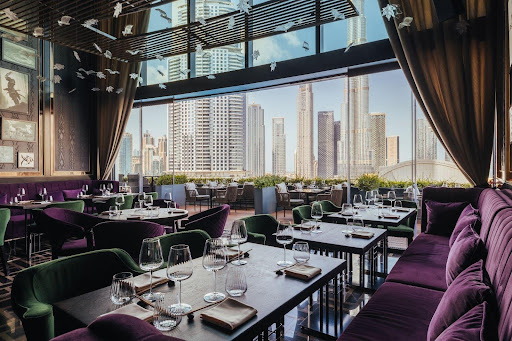
In modern work settings business meals are no longer limited to quick lunches or formal dinner events. Corporate dining has evolved to become a relationship-building, positioning brand, and meaningful engagement tool. It could be a client meeting, leadership dinner, or group celebration, and regardless of the event, the selection of the right venue is very important when it comes to the overall experience. This is particularly in the case of businesses that are researching for corporate dining restaurants in Downtown Dubai’s areas, where expectations towards convenience, atmosphere, and professionalism are much greater.
Corporate dining place selection is a good balance of both comfort and credibility. It promotes healthy dialogues, corporate values, and imparts an impression on visitors. Knowing what to seek will assist businesses to make considerate choices that will be in line with their goals.
Location and Accessibility Matter
Location is one of the initial factors to be taken into account when choosing a corporate dining venue. A centralized restaurant would make accessibility easy to the attendees, especially in cases where meetings entail professionals who might be moving in various regions or organizations. Location to offices, business areas, hotels and transport centres decreases logistical pressure and promotes time-consciousness.
Downtown events are often favored by companies as they tend to create the image of professionalism and effectiveness. Another way that an appropriate location will enable the meetings to flow into the dining process without wasting time to travel to and from the area is that it will help in keeping the momentum and concentration of the process throughout the engagement. Such important factors to consider are:
- Proximity of parking or valet.
- Good availability of transportation.
- Easy navigation among the first time visitors.
Atmosphere That Supports Business Interaction
Restaurant atmosphere directly determines the extent to which the guests feel comfortable and involved in a corporate event. In the case of business dining, a balance must be created between being refined and relaxed. Too much noise, too small seats or too casual furnishings may become a distraction to the conversation, whereas too formal an office may be constraining or threatening.
The perfect corporate dining place will have a regulated acoustic room, comfortable seats and considerate lighting. These things facilitate discussion, promote communication, and enable the guests to be conscious of the food and the intention of the event. Other things to be considered are:
- Sound levels during the dining time.
- Space in between tables that is not isolating.
- Professional and homey interior design.
Privacy and Seating Flexibility
Corporate dining requires privacy, especially where corporate issues are to be discussed, negotiations are to be conducted, and strategy is to be laid down. The restaurants, which are equipped with private dining, semi-private or flexible seating, are usually more suitable for business meetings.
Flexible designs enable companies to host various classes of events, including small executive dinners to inclusive group meals. This customization of seating facilities will make sure that the dining will be in line with the form and objectives of the meeting. Useful features may include:
- Table configurations can be set to be adjustable.
- Partitioned or screened dining areas
- Specific areas of presentation or small group discussion.
Menu Versatility and Dietary Considerations
When receiving guests of the corporation, a wide-ranging and flexible menu is a prerequisite. The visitors of the festival usually represent diverse cultural and dietary communities, thus inclusivity is a relevant factor. A location that provides vegetarian, vegan, gluten-free, and allergy-aware service is a sign of a high level of attention to detail and respect towards the needs of guests.
In addition to diversity, food quality uniformity is extremely important. Corporate dining is more about reliability than creativity. The menu must be carefully maintained and should include a balance between the traditional tastes and the enhanced ways of presentation to ensure that every guest feels at home and content with his / her meal. It is also advantageous when the venues are able to:
- Go ahead and meet dietary demands.
- Provide tasting menus or fixed-course menus.
- Keep the uniform portion and serving.
Service Standards and Professionalism
The success of a corporate dining experience can be determined by the quality of services. Being attentive but unobtrusive in offering services helps free the flow of conversations without any form of interruption. The employees must be highly trained, non-obtrusive and sensitive to the needs of the corporate guests.
Timely coordination, clear communication and adhering to last-minute requests are also part of professional service. Such influences produce an easy time that leaves a positive impression of the hosting organization. Service standards that may be strong may encompass:
- Special or group coordinators.
- Explicit knowledge of corporate etiquette.
- Effective intercourse between courses.
Alignment With Brand Image
Any corporate event portrays something about the business that hosts it. The restaurant is the continuation of the brand, values and standards of the company. The look of a restaurant, the way it serves people, and the atmosphere of the establishment must be in accordance with the image that the business aims to create.
An illustrative example of this is an innovation-oriented company that would like a modern dining area, whereas a more traditional-oriented company would be inclined towards a more traditional environment. The selection of a venue that upholds brand identity enhances the message without necessarily having to over-advertise. Visual and experiential conformity may comprise:
- Coherence with the culture of the company.
- Adequate dress code and type of service.
- An environment that helps create the required mood of the event.
Technology and Physical Facilities
Corporate dining in the modern age may need more than tables and a menu. Availability of even the simplest of facilities, like a proper Wi-Fi connection, presentation screens, or a hidden power source, can improve the functionality of meetings that stretch to meal times.
Although not all corporate meals have to be technologically enabled, the provisions of the technology create flexibility and convenience. The restaurants known to comprehend the practical requirements of business customers are in a better position to facilitate numerous forms of corporate endeavors. Convenient facilities can involve:
- Presentation or display abilities.
- Weather management of large meetings.
- On-site technical support as required.
Consistency and Reliability.
Venues that businesses can count on over time are prized. Stability in food quality and service level, as well as experience, creates trust as time goes by. A reliable restaurant is a favorite one to use in case of regular meetings or business visits, or for internal events.
This dependability saves time planning and uncertainty, so that the organizers can concentrate on the aim of the event instead of the concerns of logistics. Consistent venues generally portray:
- Stable service teams
- Consistency of quality between visits.
- Defined and stable booking procedures.
Value Beyond Pricing
Although cost is always a significant factor, value goes beyond cost. A company restaurant must also explain why it is expensive in terms of quality, service and experience. Open pricing, well-defined policies, and a professional approach to group booking also help in creating a positive impression.
Companies are the greatest beneficiaries of venues offering a smooth experience and not necessarily the lowest price. True value is reflected in:
- Effective communicating inclusions.
- Flexible booking terms
- A high-quality, uniform experience for guests.
Conclusion
Choosing the right corporate dining venue requires careful evaluation of location, ambiance, service, menu quality, and brand alignment. Thoughtful selections help businesses foster meaningful conversations, strengthen relationships, and create memorable experiences. When exploring refined corporate dining restaurants, professionals often gravitate toward venues that balance atmosphere with practicality.
In Dubai’s evolving dining landscape, places like Nazcaa are sometimes mentioned for offering a setting that naturally accommodates business interactions without overpowering them, making such venues part of broader corporate dining considerations rather than the focus themselves.