varsha
I help you explore block paving options in Wakefield so you can make choices that fit your home and budget. You will learn what matters most for design, planning, and long-term care so you can plan a driveway or patio that lasts.
I guide you through what Groundforce Drives & Patios offers, the planning steps to watch for, and simple maintenance tips that keep surfaces looking good. My aim is to give clear, practical advice so you feel confident about starting a block paving project.
1) Groundforce Drives & Patios Limited
I visited Groundforce Drives & Patios and walked the small yard where they store paving samples. The team met me outside and talked through options clearly. They showed examples of block patterns and explained how each would wear over time.
During the visit I watched a crew load materials into a van. Their tools looked well kept and the workers seemed practiced at measuring and marking out driveways. They answered my questions about drainage and edging without using jargon.
I left with a printed quote and a timetable for work. The quote detailed materials and labour, and they offered to handle planning and site prep. Their website and brochure matched what I saw in person, which helped me trust their estimates.
Rating: 5 (27 reviews)
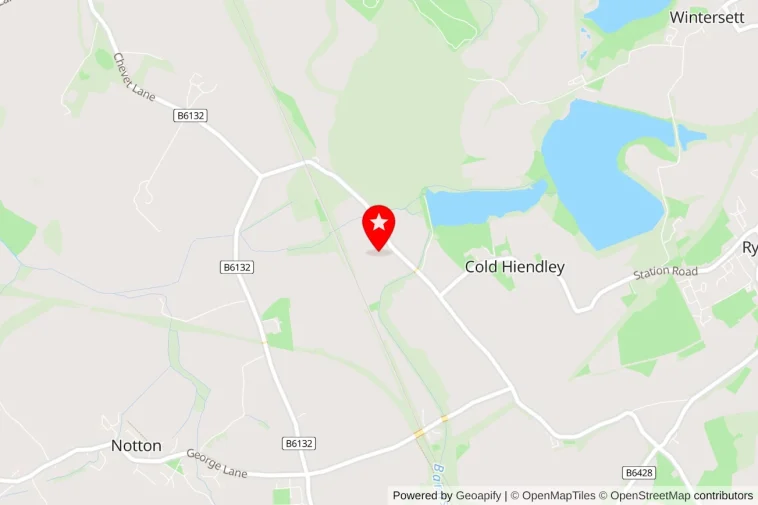
Location: Groundforce Drives & Patios Limited
Website: Visit Website
Planning Considerations for Block Paving Projects
I focus on the ground conditions, vehicle use, drainage, and the best paving type for the job. I also weigh cost, lifespan, and how the finished look fits the house.
Site Assessment and Preparation
I start by checking soil type and slope. Clay or soft soils need deeper excavation and better sub-base to avoid future sinking. I measure the area and note any nearby drains, tree roots, or underground services that affect excavation.
I set out required depths: typically 150–300 mm of compacted sub-base for driveways, less for pathways. I plan fall for water runoff—usually 1:80 to 1:100—toward an existing drain or edge channel. I mark access points for heavy plant and decide if temporary protection for lawns or borders is needed.
I check planning rules in Wakefield if the surfacing affects permeability or kerb lines. I record materials needed: membrane, crushed stone, sand, edge restraints, and pavers before ordering.
Selecting Materials for Durability and Aesthetics
I choose block type by use: reinforced concrete or natural stone for heavy cars; clay or permeable blocks where drainage matters. I pick sizes and colours that match the house and street for good kerb appeal.
I select a suitable edge restraint—concrete or steel—to stop lateral movement. I choose a high-quality, well-graded sub-base (Type 1 or MOT) and a sharp sand bedding layer for strength. I consider jointing sand or resin for weed resistance and to lock blocks in place.
I compare warranties, expected lifespan, and maintenance. Concrete blocks often cost less and are durable; natural stone costs more but gives a premium look. I balance initial cost against long-term performance and local climate effects.
Long-Term Care and Maintenance
I focus on simple, regular steps and quick fixes that keep a block-paved driveway stable and looking good. Proper sweeping, targeted cleaning, and timely repairs stop small issues from becoming costly problems.
Routine Cleaning Techniques
I sweep the surface weekly with a stiff broom to stop dirt and grit grinding into the blocks. For moss or algae, I use a diluted biodegradable cleaner and a stiff brush, then rinse with a hose. Avoid high-pressure washers close to joints; they can wash out sand and loosen pavers.
For oil stains I apply an absorbent like cat litter, leave it overnight, then brush away and treat the stain with a degreaser if needed. I top up swept joint sand after heavy rain or winter to keep pavers locked together. In spring I inspect for settled areas and repeat joint-sanding where gaps appear.
Use safety gear—gloves and eye protection—when handling chemicals. I keep records of cleaning dates and products so I can adjust care each year.
Preventing Common Issues
I check for loose or sinking pavers after freeze-thaw cycles and repair small spots quickly by re-laying affected blocks and refilling joint sand. That prevents larger subsidence and water pooling.
To prevent weeds, I pull seedlings before they root deep and apply a weed-resistant jointing compound or polymeric sand where appropriate. I do not use harsh herbicides that can damage surrounding soil or nearby plants.
For edge crumbling I inspect the perimeter and reset edging stones or replace failing edge restraints. I avoid driving heavy loads over the edges and steer vehicles away from kerbs to reduce edge stress. Regular checks after storms or winter give me a chance to fix small cracks, recompact base areas, and keep drainage clear so water does not undermine the pavement.